Tadulako University (Universitas Tadulako/UNTAD)
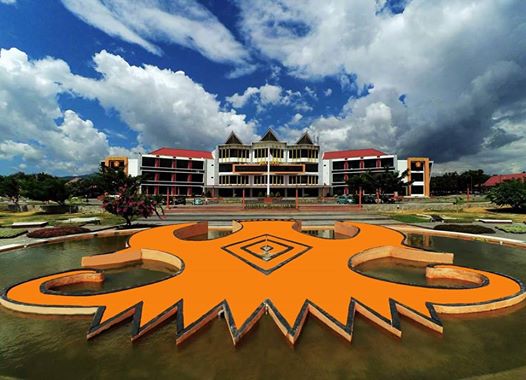
Tadulako University (Universitas Tadulako/UNTAD) was officially established on 18 August 1981 as a public state university in Palu, Central Sulawesi, Indonesia. Since its establishment, the university has developed into one of the major higher education institutions in Eastern Indonesia, playing a strategic role in expanding access to tertiary education in the region. UNTAD has a large student population relative to many Indonesian universities, with total enrolment reaching approximately 52,000 students across undergraduate, master’s, doctoral, and professional programs. The scale of its academic community is supported by more than 1,500 academic staff and over 1,100 non-academic personnel, distributed across 11 faculties and one postgraduate school.
The academic structure of Tadulako University covers a wide spectrum of disciplines, including agriculture, animal husbandry, aquaculture and marine sciences, engineering, economics and business, social and political sciences, law, teacher training and education, forestry, mathematics and natural sciences, public health and medical sciences. In addition to its teaching mandate, the university actively promotes research and community service, particularly in areas relevant to regional priorities such as sustainable natural resource management, disaster resilience, marine and coastal development, and socio-economic transformation. Situated in a region frequently affected by natural disasters, particularly earthquakes, the university has positioned itself as a resilient, research-driven institution committed to inclusive and sustainable development.
Faculty of Agriculture, Tadulako University
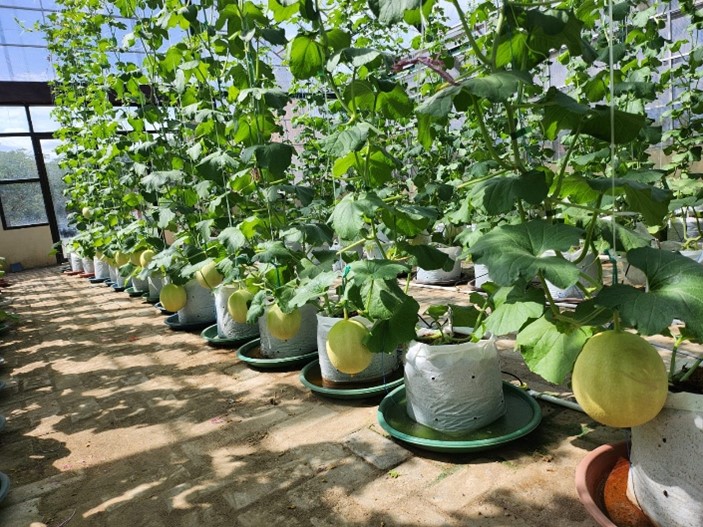
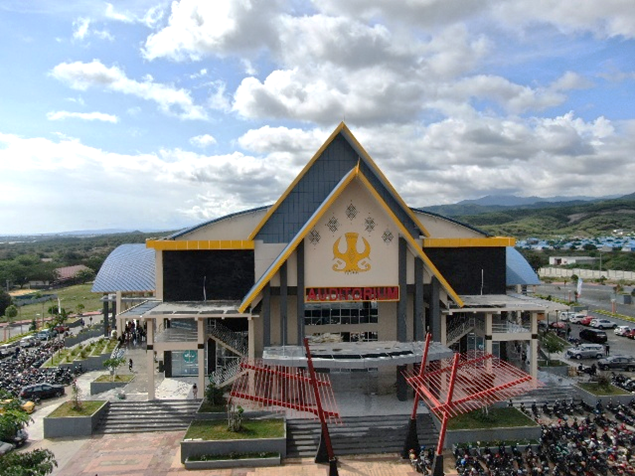
The Faculty of Agriculture at Tadulako University has progressively strengthened its academic capacity and infrastructure over the years. The faculty is hosting study programs, namely Agrotechnology and Agribusiness (undergraduate and master's programs), which have been increasingly equipped with improved research laboratories, experimental fields, greenhouses, and teaching facilities that support both undergraduate and postgraduate education. These developments enhance practical learning, laboratory-based experimentation, and field-oriented research, ensuring that students are trained with a balance of theoretical rigor and applied competence.
In parallel with infrastructure development, the faculty has expanded its research portfolio across sustainable agriculture, soil science, plantation systems, agroforestry, climate resilience, and agribusiness development. The upgrading of laboratory equipment, analytical tools, and digital learning resources has contributed to improved research productivity and academic quality. The faculty also integrates community-based research and extension services, reflecting its mandate to address regional agricultural challenges in Central Sulawesi. Moreover, the Faculty of Agriculture actively engages in partnerships with national and international universities, research institutes, and industry stakeholders.